Marriage & Covenant
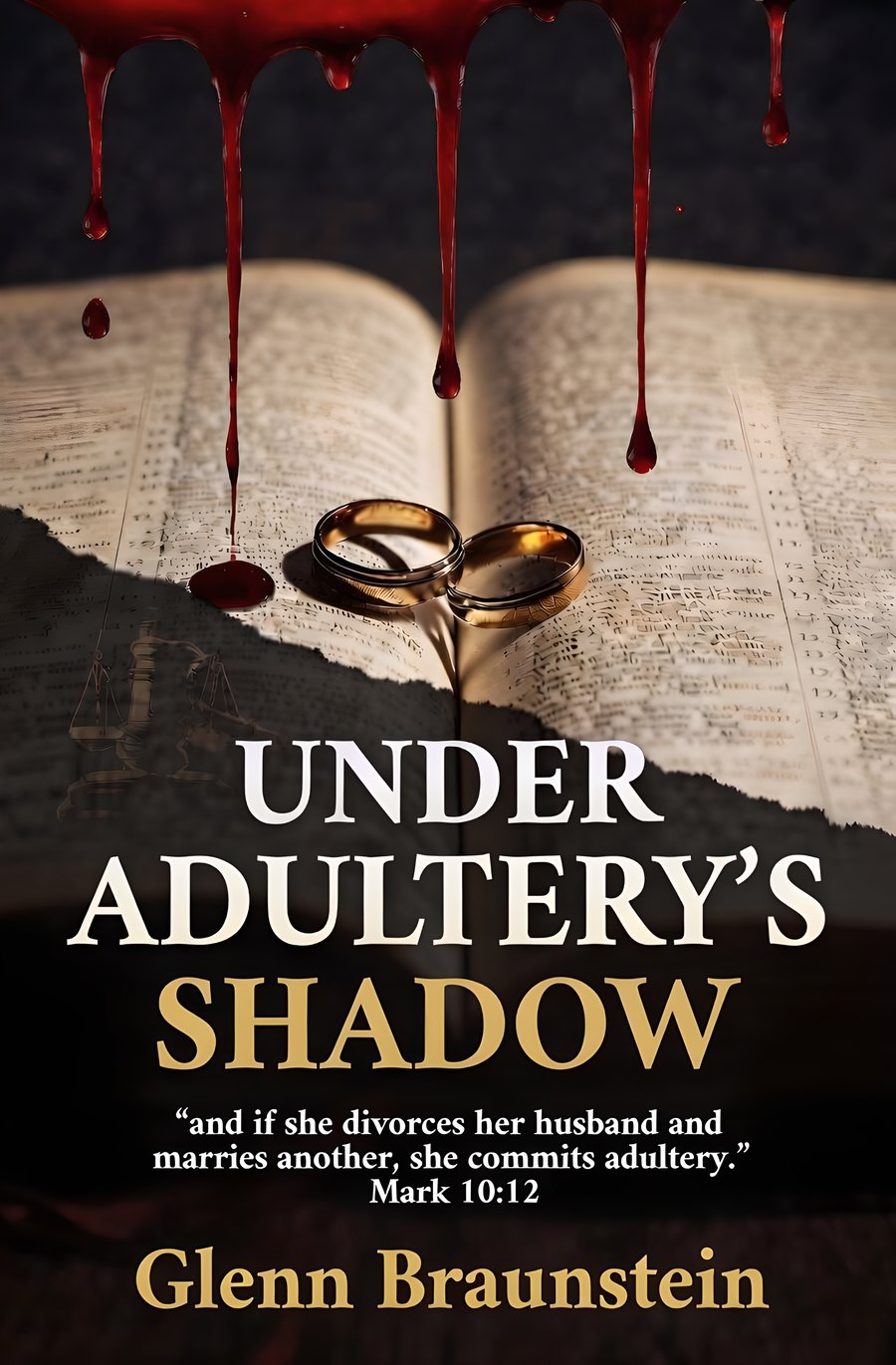
Under Adultery's Shadow
Betrayed Vows and Invalid Secular Divorce
Jesus of Nazareth said what he said. He was not speaking in hyperbole, issuing a pastoral suggestion, or establishing a principle to be softened by later tradition. When he described a woman who divorces her husband and remarries as living in adultery, and when he extended that judgment to the man who marries her, he meant it in the plainest possible sense.
This book works through those words in full. It examines the covenant that marriage creates, why civil divorce lacks the authority to dissolve it, what the state of adultery means before God, and what options remain for the person living inside it. The full testimony of Scripture on divorce and remarriage runs from the words of Jesus in Mark and Luke, through Paul in Romans and 1 Corinthians, through the ancient covenant structure that no civil court has the standing to reach.
This is not a comfortable book. It was not written to be comfortable. It was written to be accurate.
Relationships & Human Nature
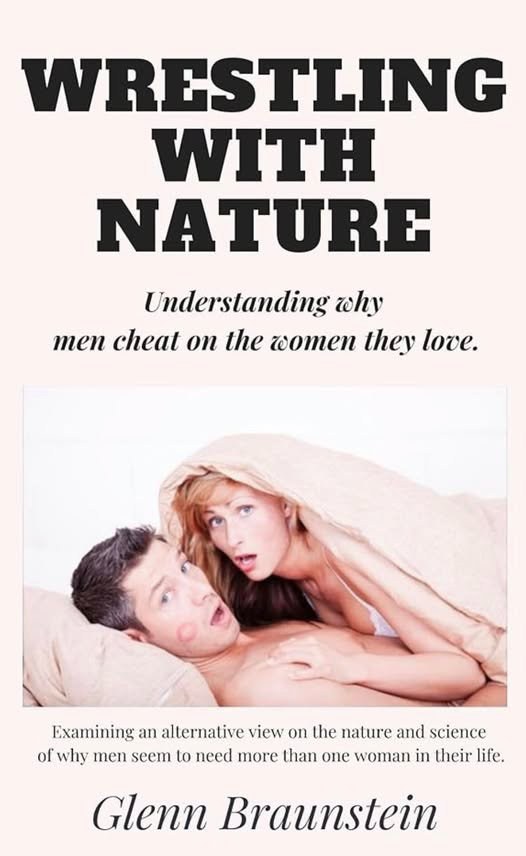
Wrestling with Nature
Understanding Why Men Cheat on the Women They Love
If you think cheating means he did not love you, this book will change how you understand what happened.
Most people are taught that infidelity is simple. If he cheated, he must not have loved her. If he loved her, he would not have cheated. When real life does not fit that formula, when a man cheats in a relationship that genuinely mattered to both people, the confusion that follows is deep and hard to move past. Women are left trying to make sense of behavior that contradicts what they were living. Men are left unable to explain themselves honestly, even when they want to.
This book was written to answer one question clearly: why does this happen at all, even when the love was real? There is no therapy language, no political framing, and no moral theater. Instead, it looks directly at how male biology, attachment patterns, opportunity, impulse control, and modern relationship dynamics actually operate and explains them in plain language that does not water down the subject.
One of the questions at the center of the book is one most people avoid: if the infidelity had never happened, would you still want to end the relationship? If the answer is no, then understanding what was actually happening becomes essential. Without it, attempts at repair tend to fail. Not because recovery is impossible, but because both people stay trapped in the shock of betrayal rather than addressing the conditions that made it possible.
Written for women who want clarity instead of confusion, and for men willing to understand themselves honestly.
Biblical Law & Interpretation
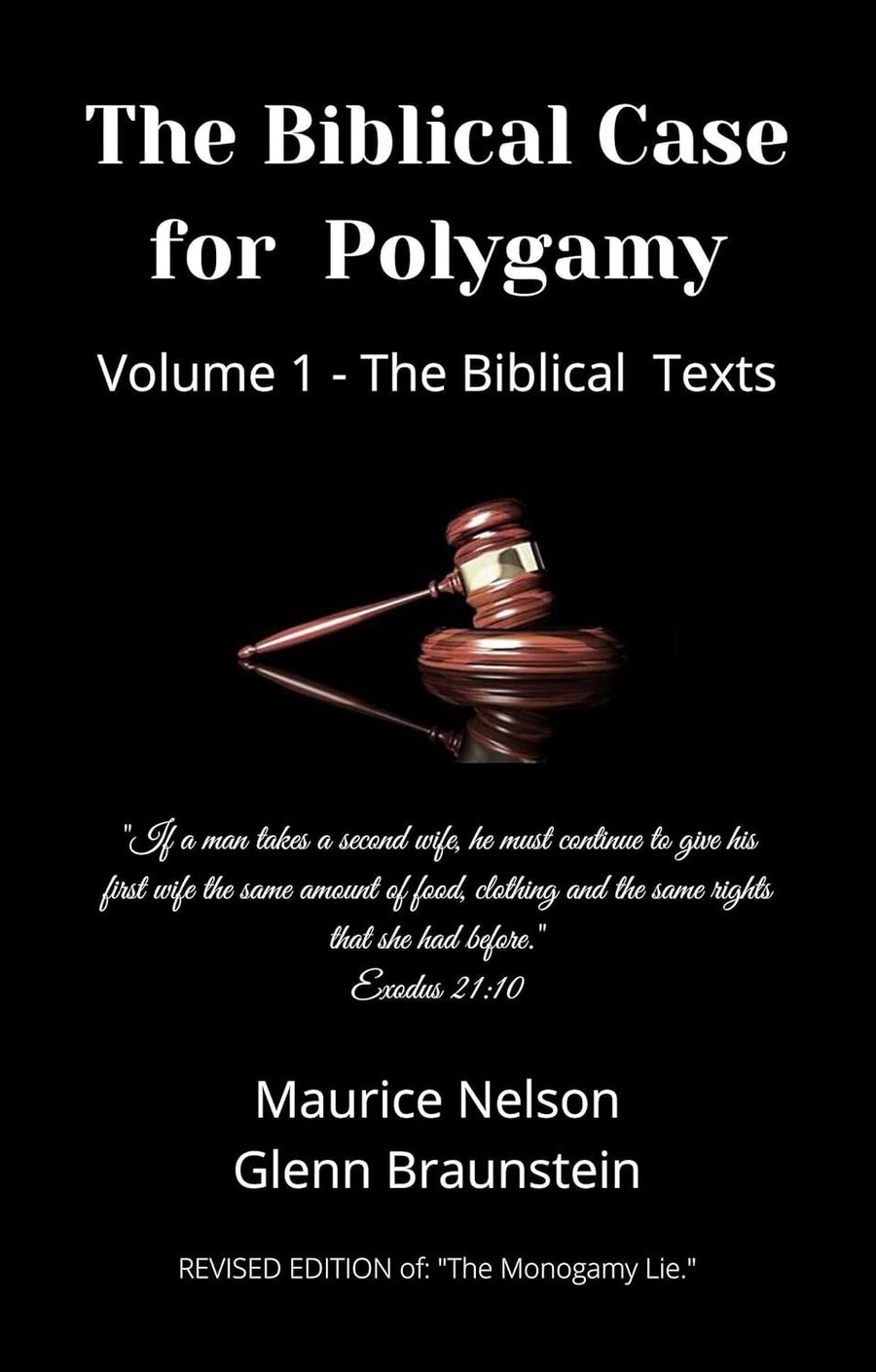
The Biblical Case for Polygamy
The Biblical Texts
Consider a question most people never think to ask. A woman divorces her husband. Years pass. He remarries. She eventually comes to understand what the Bible actually teaches: that Paul's instruction in 1 Corinthians 7 tells her she must remain unmarried or reconcile. But reconcile with whom? A man who now has another wife. What does the Bible say about that possibility?
The answer depends entirely on whether the remarriage prohibition in Paul's letters was ever written to apply to both sexes equally. Read carefully, it was not. That instruction is directed at the woman. The text does not place the same restriction on the man. His remarriage is not governed by the same passages that address her situation. And Deuteronomy 24, the very text that establishes the bill of divorcement, does not prohibit a man from taking a second wife, nor does it bar him from restoring his first.
This means something significant. The door of reconciliation is not closed simply because a man has remarried. The text that tells her what she must do does not require him to be alone when she returns. That is not a comfortable conclusion. It is a textual one.
This book examines these questions directly. It takes readers through the marriages of Abraham, Jacob, David, Solomon, and over thirty other biblical figures, the Mosaic laws that regulate households with more than one wife, and the New Testament passages most commonly cited against the practice. It draws a careful line between what Scripture records, what it regulates, and what it actually forbids.
For generations, the church has taught that monogamy is the only biblical model. That position has never been as settled in the text as it has been in tradition. This book asks the reader to look at both honestly and decide which one is speaking.
Fiction — Dystopian Novel
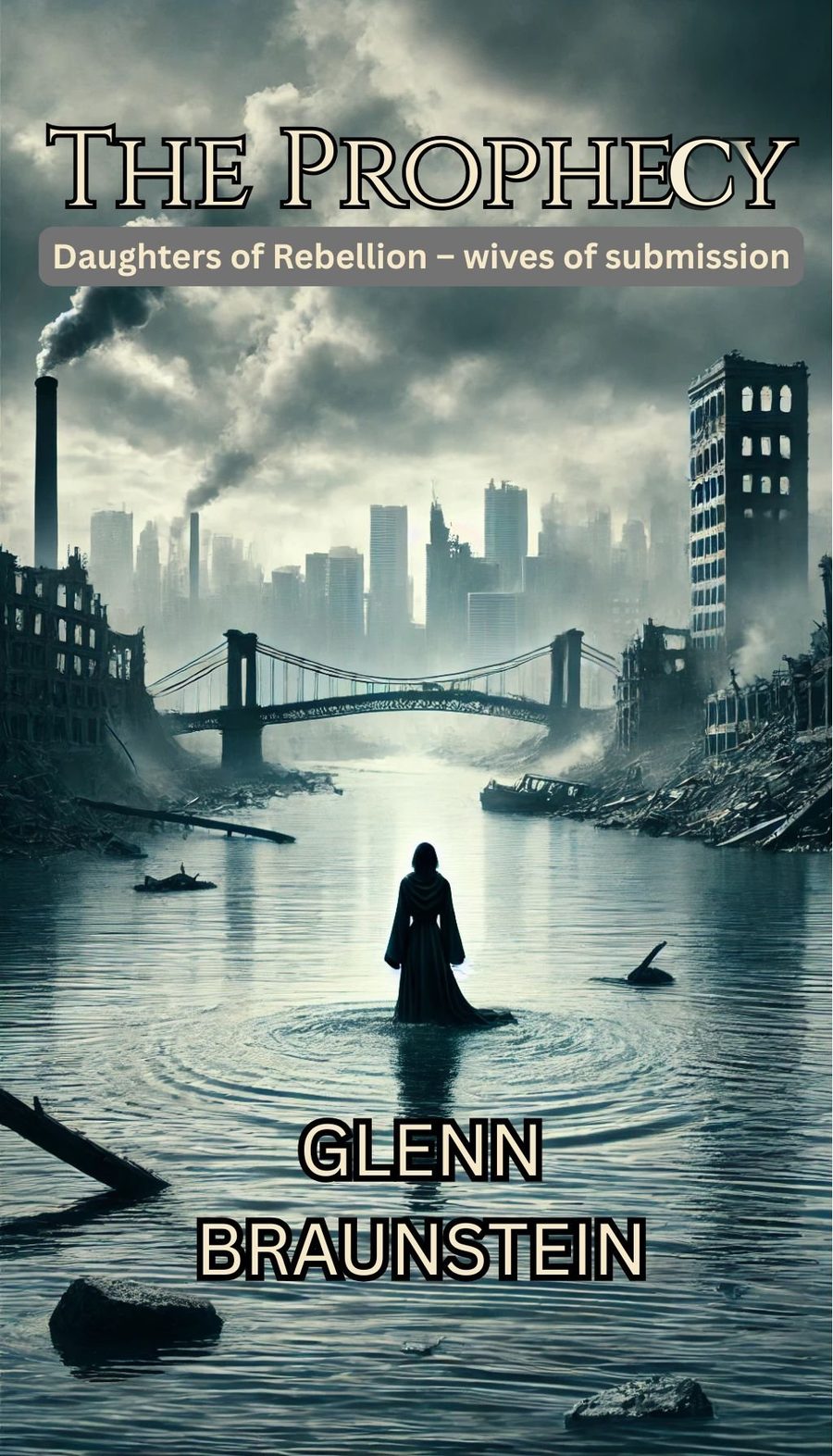
The Prophecy
A Dystopian Novel Based on Isaiah 3
What happens when order collapses, truth is mocked, and the people meant to protect a nation step back?
The Prophecy follows the slow unraveling of a society that believed it could defy reality without consequence. What begins as cultural decay becomes something far worse. Authority breaks down. Fear moves in. The strong prey on the weak. And the people who once dismissed the warning signs find themselves trapped inside them.
This is not a story built on cheap fantasy or distant science fiction. It feels close enough to touch. Streets grow unsafe. Institutions hollow out. Relationships fracture under pressure they were never built to carry. Survival begins to depend not on slogans or systems, but on strength, discernment, sacrifice, and the willingness to face hard truth when it is no longer comfortable to look away.
At the center of the story are men and women forced to navigate a world where protection is scarce, leadership is tested, and the cost of disorder has become impossible to ignore. As the crisis deepens, the novel asks a question Isaiah raised long before any of us were alive: what happens to a people when they reject the very structure that once held civilization together?
Dark, tense, and unsettlingly close to recognizable, a novel about collapse, judgment, human nature, and the brutal difference between power and authority.